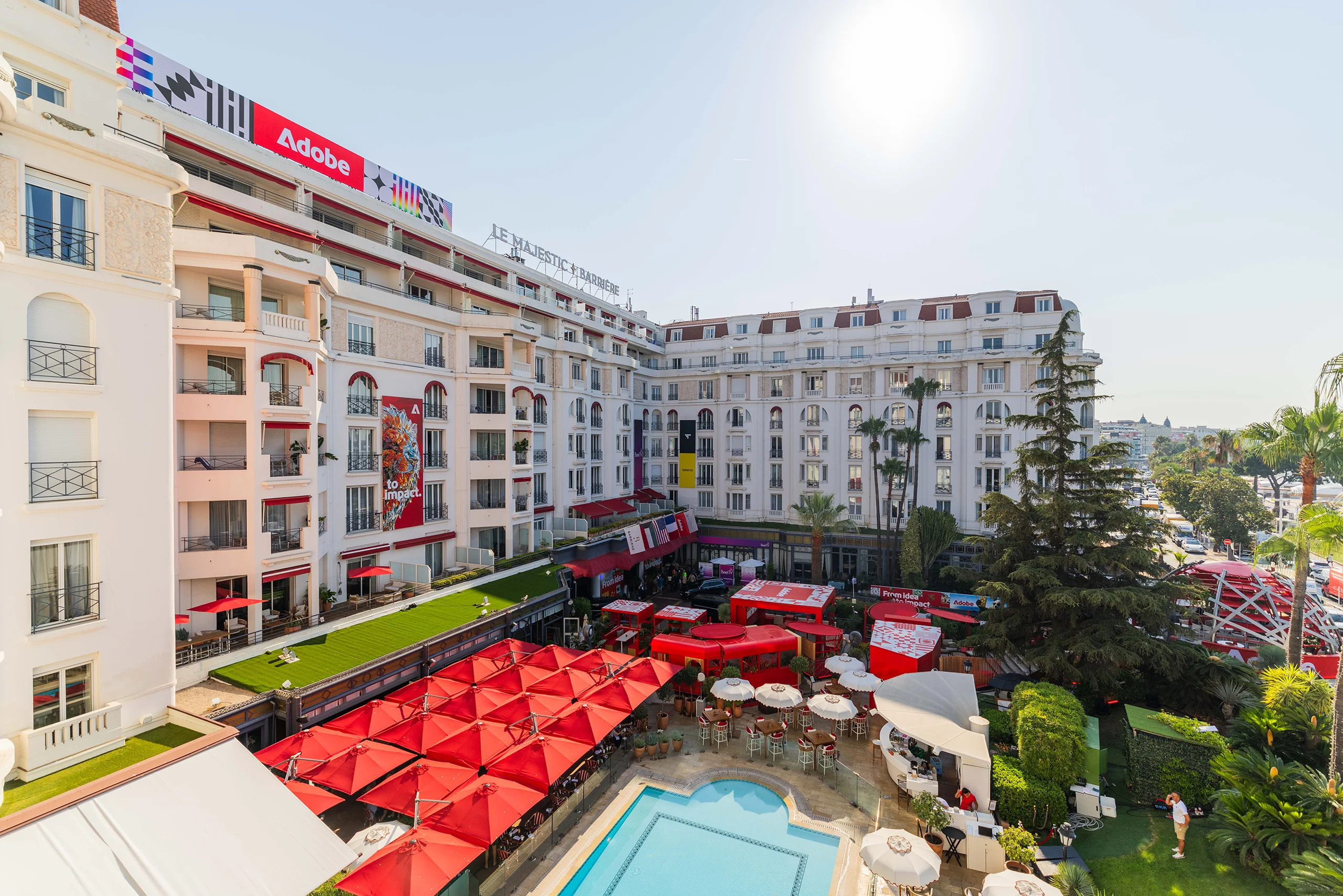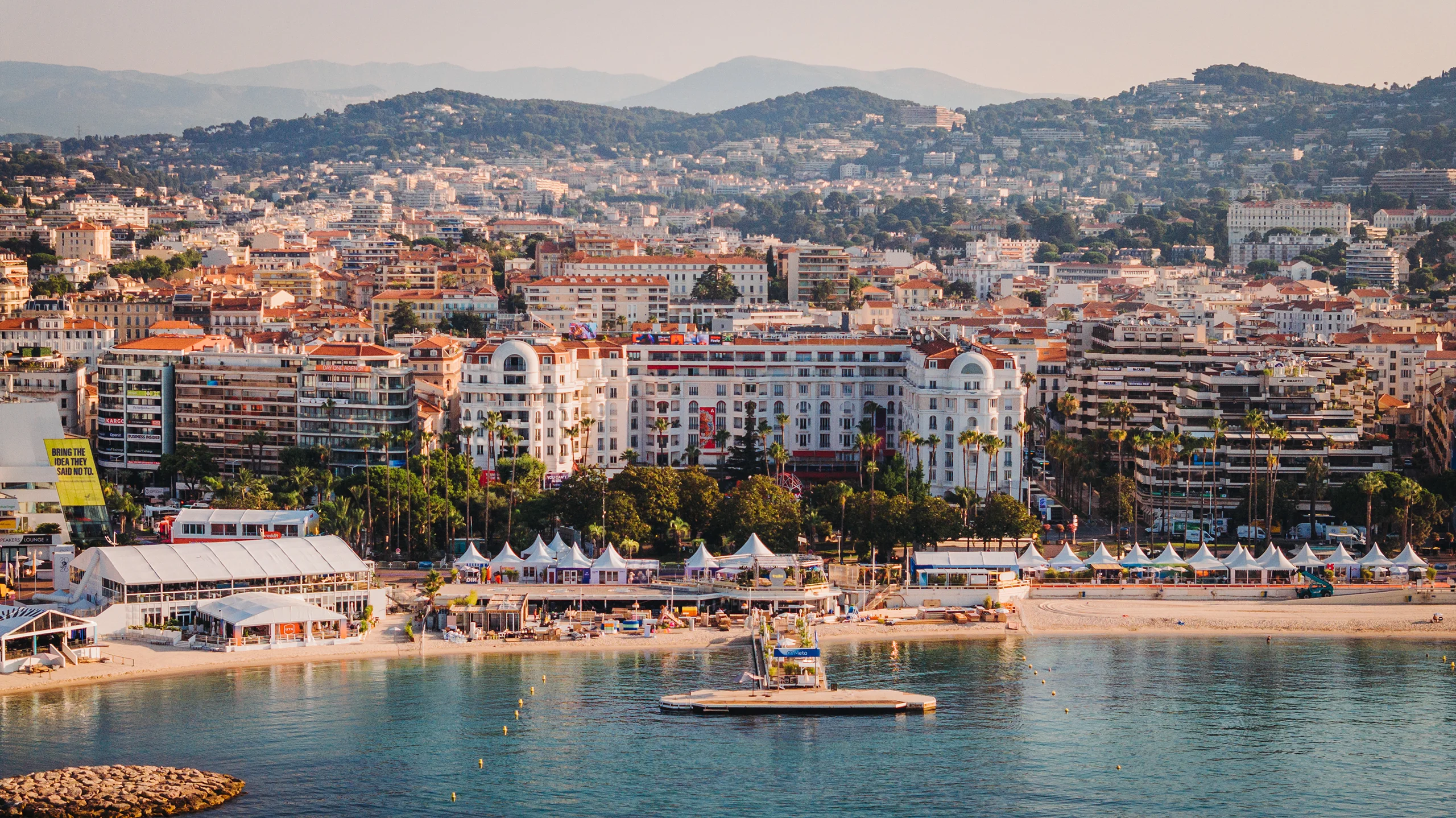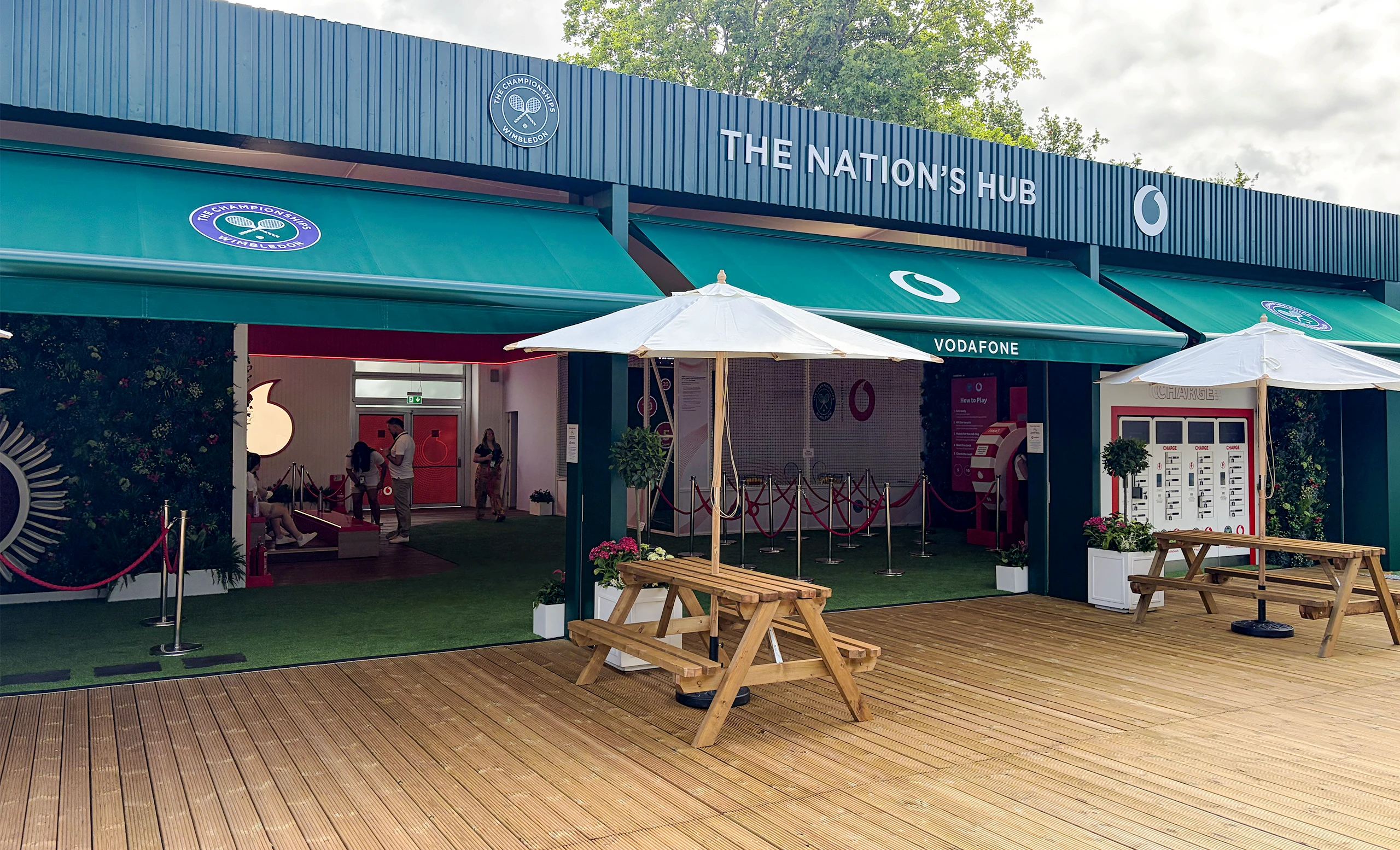
Each brand has to feel genuinely at home at Wimbledon while remaining unmistakably itself.
Wimbledon’s sponsorship programme earned an estimated $124.2m from just 17 sponsors in 2025, while the Australian Open had 40 and Roland Garros 30. That exclusivity is the point. With so few brands allowed in, each one carries disproportionate weight. The expectation on every partner to earn their place through experience rather than exposure has never been higher.
Most brands still aren’t meeting it.
The default sponsorship playbook looks like this: secure the rights, book the hospitality, badge the perimeter and count the impressions. It is a media buy with a lanyard attached. And at a property like Wimbledon, where the environment itself carries a century of accumulated prestige, it is a particularly visible way to waste a valuable seat.
The brands getting this right have moved to a different model entirely. Stella Artois launched its 0.0% on draught for the first time at the 2025 Championships, in a limited-edition white can designed around the tournament’s dress code. Evian turned its VIP suite into a “Mountain of Youth” wellness experience. Barclays, in its third year as official banking partner, ran pre-tournament activations that extended the brand’s presence well beyond the fortnight itself. In each case the Wimbledon sponsorship became a reason to engage rather than a logo to notice.
The harder challenge isn’t creative ambition. It’s tonal precision. Each brand has to feel genuinely at home at SW19 while remaining unmistakably itself. The activation has to respect the environment rather than compete with it. That tension is easier to describe than to solve, and solving it requires more than a good creative brief. It requires understanding what the property is actually selling, which at Wimbledon is restraint, heritage, and a particular idea of excellence. Brands that arrive with energy alone tend to feel like gatecrashers.
The most demanding version of this problem is when a single brand needs to operate in two registers simultaneously. Consider an activation that runs a private hospitality experience for senior guests alongside a public-facing programme for first-time visitors, with added value built in for loyalty members. Both audiences are at the same event, on the same day, inside the same brand. They cannot feel like the same experience. Premium and playful, in the same voice, within the same physical space: that is a craft challenge most sponsors don’t plan for and most agency conversations don’t address honestly enough.
The scarcity argument
This matters beyond tennis. The broader pattern across live sponsorship is that the strongest brands are building connected presences across multiple cultural properties rather than isolated activations at individual events. Sport, music, and live entertainment now sit alongside each other in the same portfolio strategies. The logic is consistent: show up where culture gathers, and give people something worth their attention.
The commercial case for this is getting sharper. Sky’s Attention Index found that, against wider trends, sport still draws large live audiences: nearly 950 million hours watched on Sky in the second half of 2024, more than two-thirds of it live. The moments when a broad audience gathers in one place are becoming rarer. Sport, music, and live entertainment are among the last reliable occasions for it. That scarcity is what makes the rights valuable. It is also what makes wasting them so costly.
Sponsorship strategy, done properly, is no longer about picking a property and putting your name on it. It is about building a consistent presence across multiple cultural moments, each with its own creative demands but all connected by a single recognisable thread. The brands setting the pace are treating every activation as a chapter in a longer story.
The scoreboard logo still has its place. But it has never been a strategy on its own, and at the properties where it matters most, the brands still treating it as one are falling further behind.