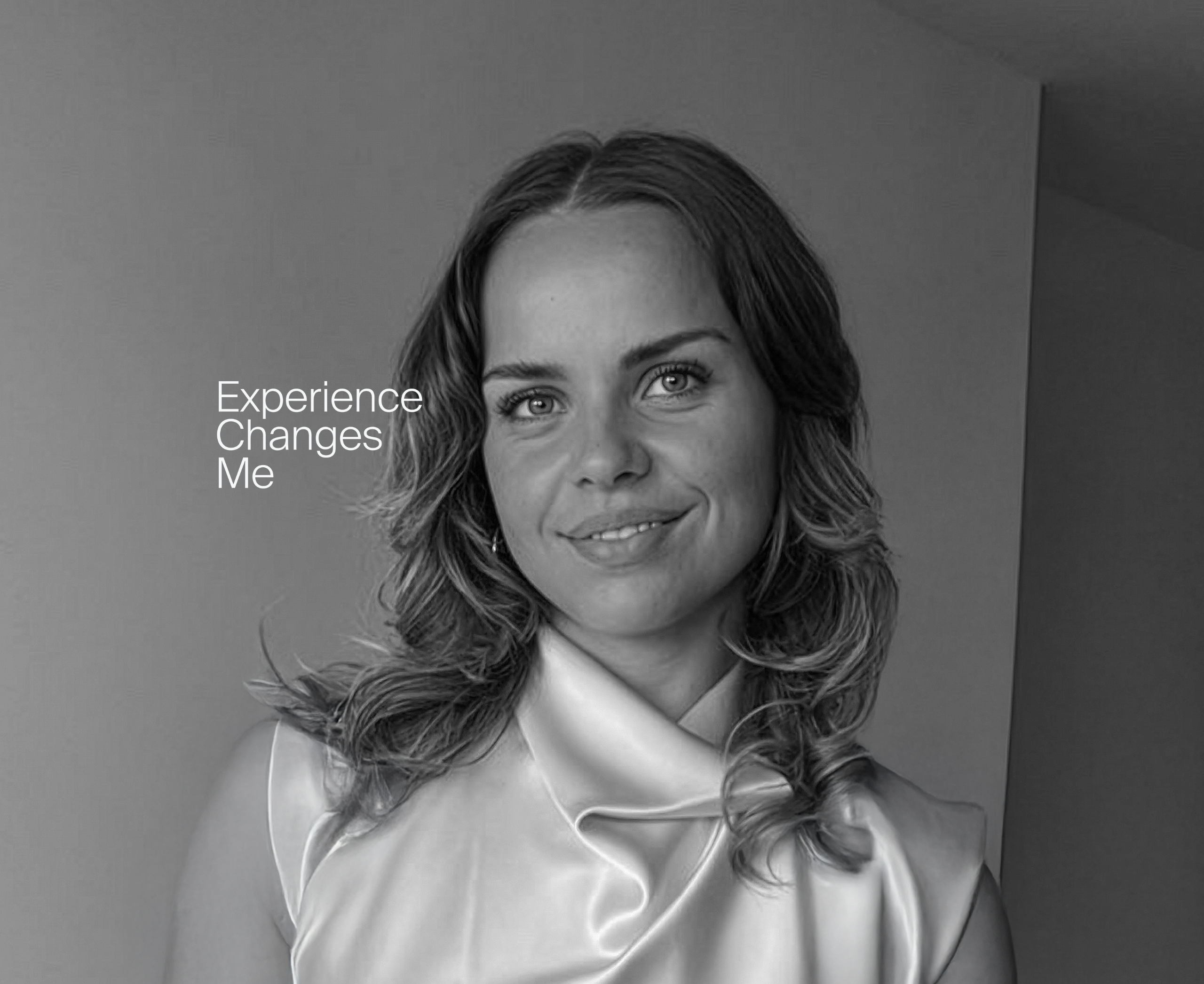
George Perry, Global Business Development Director, explores why innovation is no longer a ‘nice to have’ in brand experience. As budgets tighten and expectations rise, he argues that innovation is the difference between activity and impact.
Everyone is talking about innovation. Fewer are being honest about why it matters.
Brands are under pressure from every angle. Audiences are harder to engage, attention is fragmented, and budgets are being asked to stretch further than ever before. The result is a familiar challenge: how do you do more, with less, without losing impact?
This is where innovation earns its place. Not as a buzzword or a bolt-on, but as a strategic tool that helps brands achieve clearer outcomes.
Engagement is the real battleground
Engagement has shifted. Audiences are increasingly selective about what they give their time to, and increasingly aware when brands are simply broadcasting rather than connecting.
We are seeing brands move away from one-way experiences towards formats that invite participation, curiosity and choice. In practice, this often means rethinking the role of technology, space and storytelling to create moments that feel personal at scale, rather than generic and mass.
Sometimes, that has meant using digital layers to extend live experiences beyond the room. Other times, it has meant creating visually arresting moments that stop people in their tracks and prompt organic sharing. The common thread is intent: innovation in service of engagement, not the other way around.
When budgets tighten, innovation matters more
There is a persistent myth that innovation costs more. Our experience suggests the opposite.
When budgets are under pressure, innovation becomes a discipline. It forces sharper thinking about what really matters, and where investment will deliver the greatest return. We are increasingly asked to design experiences that work harder across multiple touchpoints, audiences and objectives, rather than delivering a single moment in isolation.
That might look like an AI-led interaction that scales personalised engagement without scaling resource. Or a high-impact, technology-led performance that delivers spectacle, storytelling and shareability in one carefully orchestrated moment, reducing the need for heavy infrastructure elsewhere.
Innovation lives in the teams
Technology enables innovation, but it does not create it. People do.
The most effective innovation we see comes from teams who understand both the creative ambition and the commercial reality. It comes from challenging briefs, testing assumptions and constantly asking how an idea can be made smarter, leaner and more effective.
Sometimes that results in cutting-edge applications of emerging tech. Sometimes it results in behind-the-scenes innovation: more efficient production models, modular design approaches, or experiences that flex and evolve in real time based on audience behaviour.
Innovation with intent
Innovation only delivers value when it is purposeful. Brands do not need more ideas; they need ideas that are anchored in strategy and measured against outcomes.
As expectations rise and budgets tighten, innovation becomes less about novelty and more about intent. The brands that succeed will be those that use innovation to deepen connection, extend impact and make every investment count.
That is when innovation stops being a trend, and starts becoming a competitive advantage.