The brands winning at Cannes aren’t attaching experiences to their campaigns. They’re building experiences and letting the campaigns follow. James Howitt, VP Client Experience at Identity, explains why that distinction changes everything.
Most brand campaigns treat experience like an afterthought. Something added at the end to make the real work look more interesting. The brands winning at Cannes this year put experience first: the experience isn’t the add-on. It’s the foundation everything else is built on.
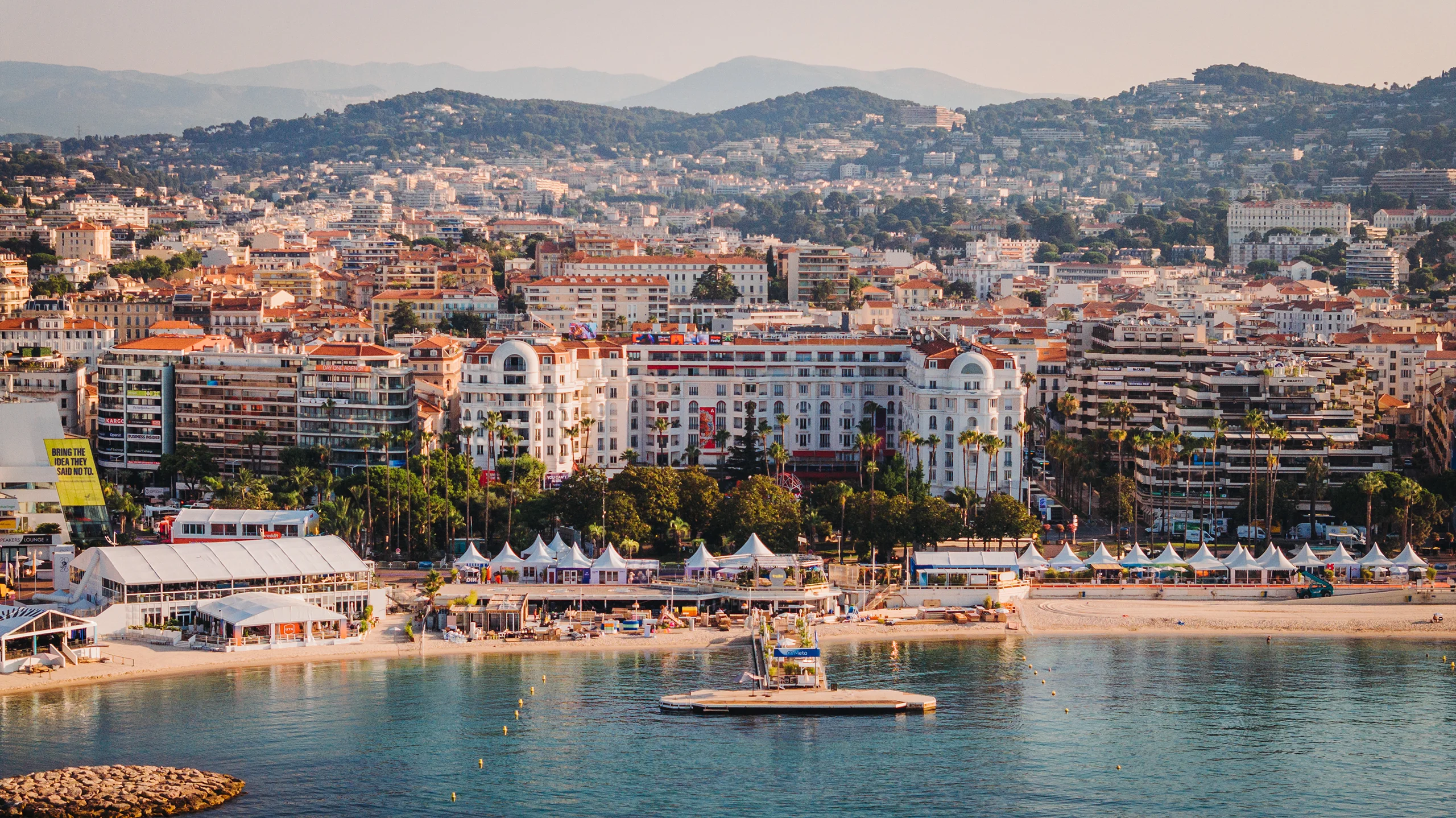
Every June, the world’s best marketers descend on the Côte d’Azur for Cannes Lions. The conversations are sharp, the rosé is cold, and the Lions themselves go to the campaigns that stopped people in their tracks.
Cannes has always been a festival: a gathering built around ideas and the people who make them. And the brands that win there, commercially, not just on the podium, are the ones who understand that the experience is the campaign.
That’s the argument I want to make. Not just for Cannes, but for every brief that lands on a marketing director’s desk. Experience belongs at the centre of brand marketing. Not at the edges of it.
We are all pinballs
Think about how people move through a brand journey today. There’s no chronology to it. No neat funnel. Consumers bounce between channels, devices and moments in a way that’s almost impossible to predict or control. We are, all of us, pinballs.
The problem with most campaign planning is that it tries to sequence something that doesn’t sequence. Brands build the advertising first, then attach an event to it. The experience becomes a line item, a nice-to-have bolted on at the end to bring to life the advertising when the media budget is already set.
Flip that model and something remarkable happens. Put the experience at the centre and it becomes the source from which everything else is fed. It generates the content, earns the PR and seeds the advertising, or indeed, may even replace the advertising. Experienced by few, seen by many, and shared by those who were there because they wanted to, not because an algorithm served it to them.
That last point matters more than people realise. Every person in the room has the ability to share what they’re witnessing, and they own that content outright. Research on why people share, including Jonah Berger’s work, points to four reasons: it signals access or insider status, it expresses something about who they are and what they value, it provokes a strong emotional response, or it offers something genuinely useful worth passing on.
A well-executed experience can hit all four simultaneously, which is why the question for any brief should be whether the experience is interesting enough, surprising enough and meaningful enough for people to reach for their phones unprompted. When it is, owned and earned media amplify each other in a way that no paid strategy can replicate.
The experience first-proof
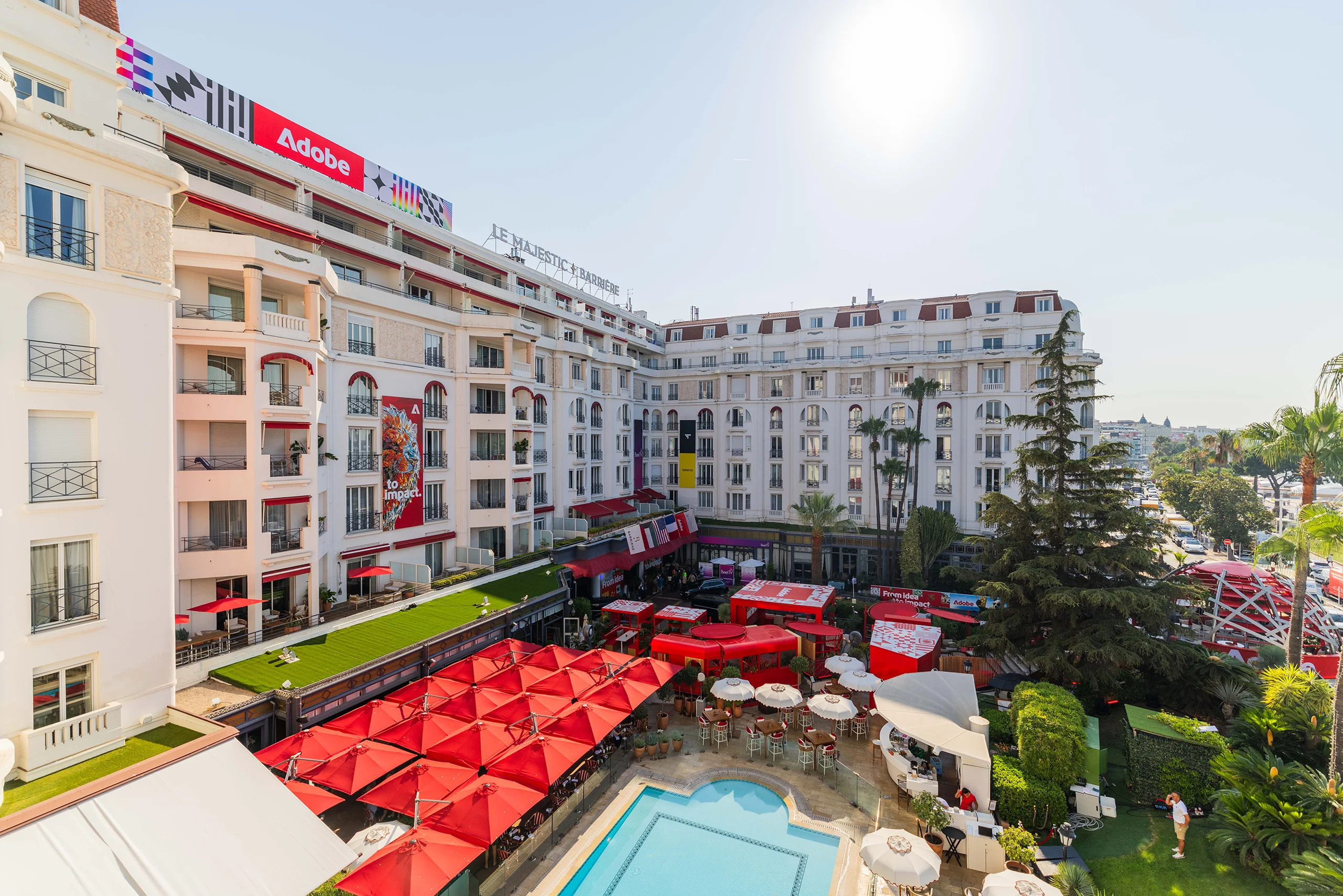
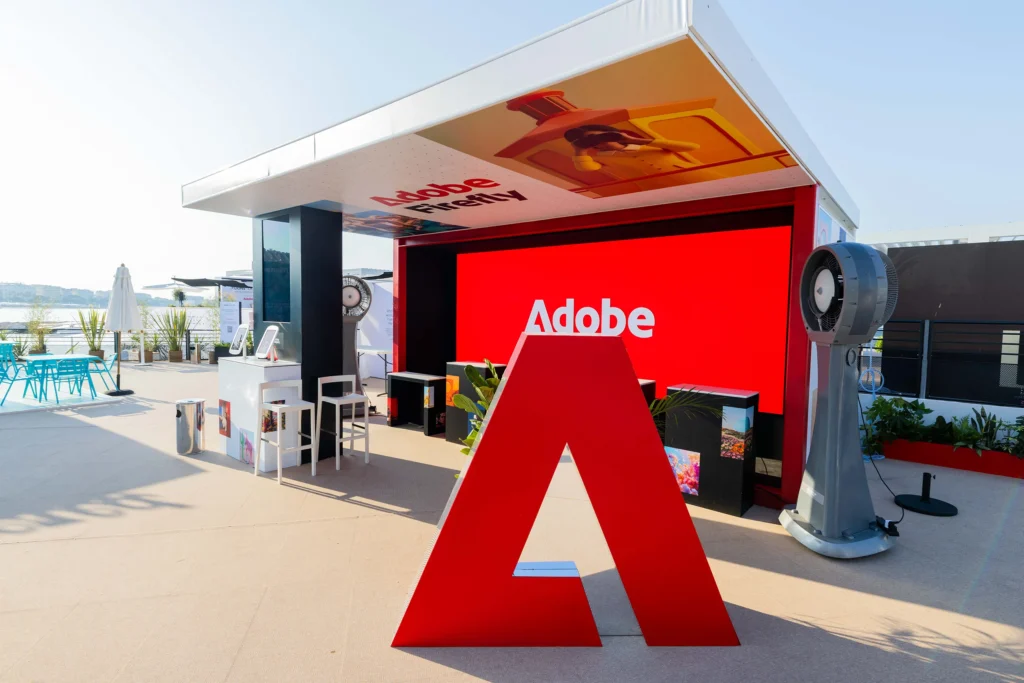
At Cannes Lions, Adobe doesn’t just show up with a stand. They build a presence designed to shift perception, to redefine what the brand stands for and who it stands for with. That’s a brand positioning challenge being solved through experience and the content flows from it, the conversations happen within it and the sales meetings become a natural by-product of a brand showing up with purpose, rather than just a presence.
We saw the same logic play out with a luxury brand in Milan for the Winter Olympics. A product placed in the right environment, with the right people, generates the kind of content that advertising money alone cannot buy. When it works, the experience is the launch point and everything else follows, which is what “experience at the centre” actually looks like in practice: not experience as a channel, but experience as the brief itself.
Why most brands still don’t do it
If the argument is this straightforward, why are so many brands still treating experience as a line item?
Part of it is structure. Budgets are built in silos. The experiential agency is rarely in the room when the strategy is being written. By the time a brief reaches the experience team, the campaign is already formed and the event brief is just: “bring this to life”.
But part of it is distance. Chief marketing officers and those above them are often far removed from what a well-executed experience actually does to a person. They haven’t felt it, so they don’t fund it the way they fund performance media, where the numbers are instant and the dashboard is always on.
Experiential measurement is still catching up, and that’s a genuine challenge for our sector and one worth a separate conversation. But the answer isn’t to deprioritise experience; it’s to get better at demonstrating its value. Smart analytics exist. Social uplift is measurable. E-commerce can be built directly into an experience. When we walked Adobe through what the data could actually tell them, the conversation changed. The question shifted from “why should we invest in this?” to “what do we want to measure?”
The brief must start somewhere different
For a consumer product launch, the traditional model looks like this: develop the product, build the advertising, plan the event to support the campaign. The consumer already knows what’s coming before they ever enter a room.
The better model inverts that entirely. The experience becomes the launch point, the product is revealed there first to the people who matter most, the advertising follows, and the content is captured in the room and distributed outward. To make that work, the experiential agency needs to be at the table from day one, not at the end of the process when the decisions are already made. Not to own the brief, but to shape it, with every agency partner across every channel brought in together.
Community starts in a room
Wella brought more than 1,000 professionals from 52 countries to a single location. Part community building in the sun, part education, part inspiration. What they built wasn’t an event. It was a community, and communities, once formed, sustain themselves and carry the brand forward long after the last session ends.
That’s the difference between an experience that creates a community and one that just creates a moment. A moment is impressive; a community is strategic.
The best brands understand this and stop treating experiential as something separate from their marketing. They build experiences and let everything else follow. The world’s best marketers figured this out years ago at Cannes Lions. The question is whether the rest of the industry is ready to do the same.