Many in the industry are asking whether live events are replacing crowded social feeds. The better question is how to plan an experience so the feed keeps filling long after the doors close.
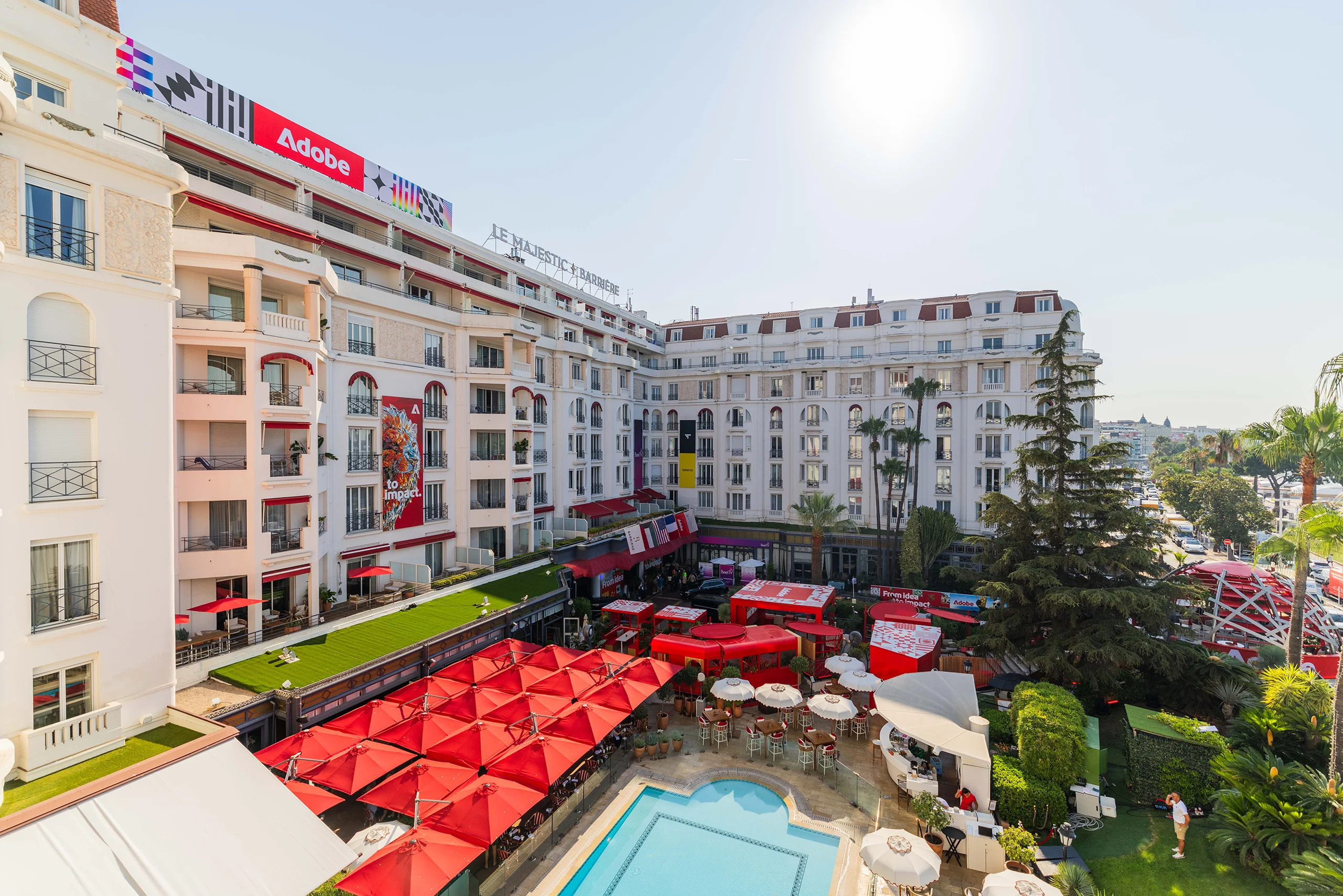
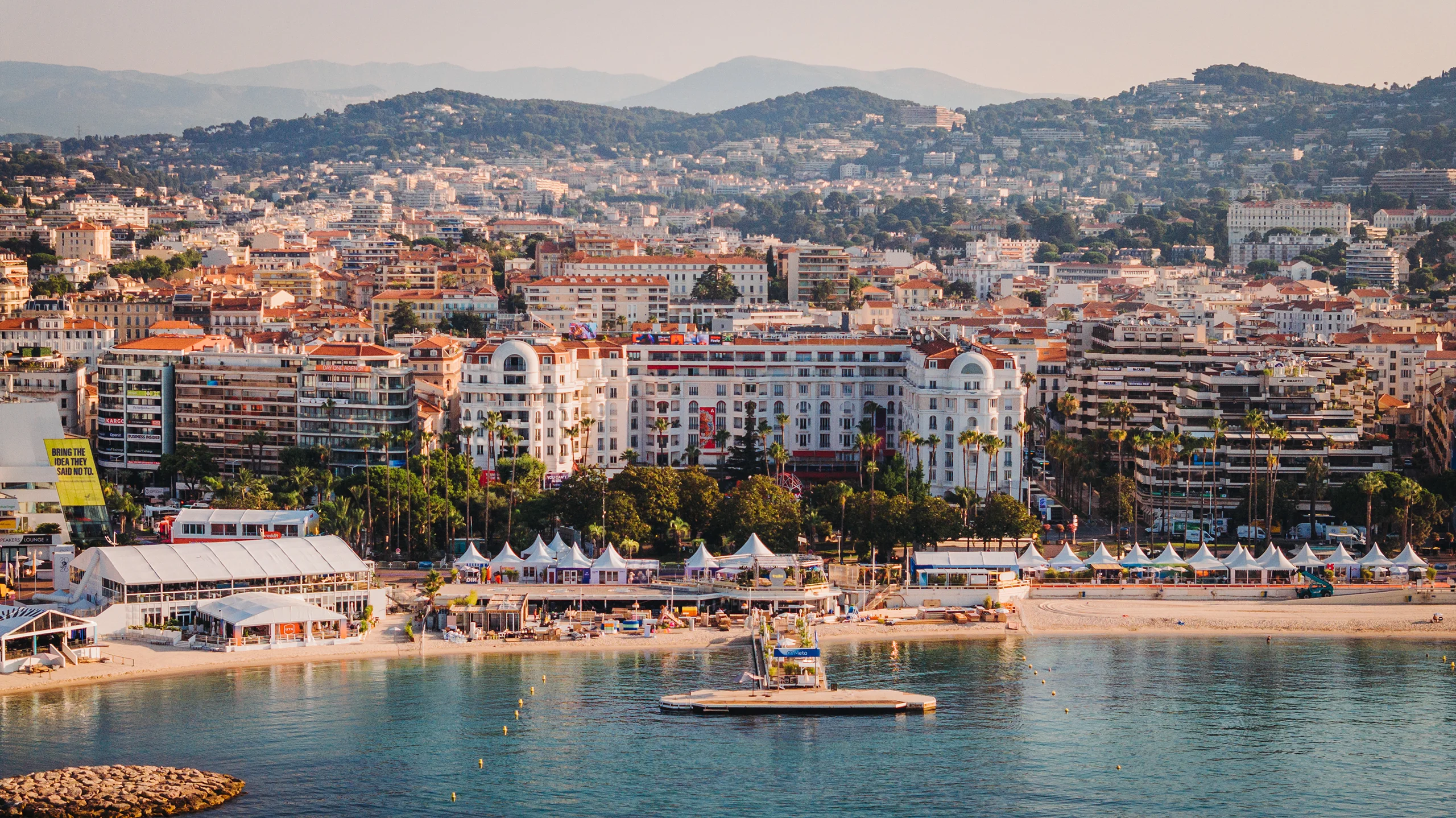
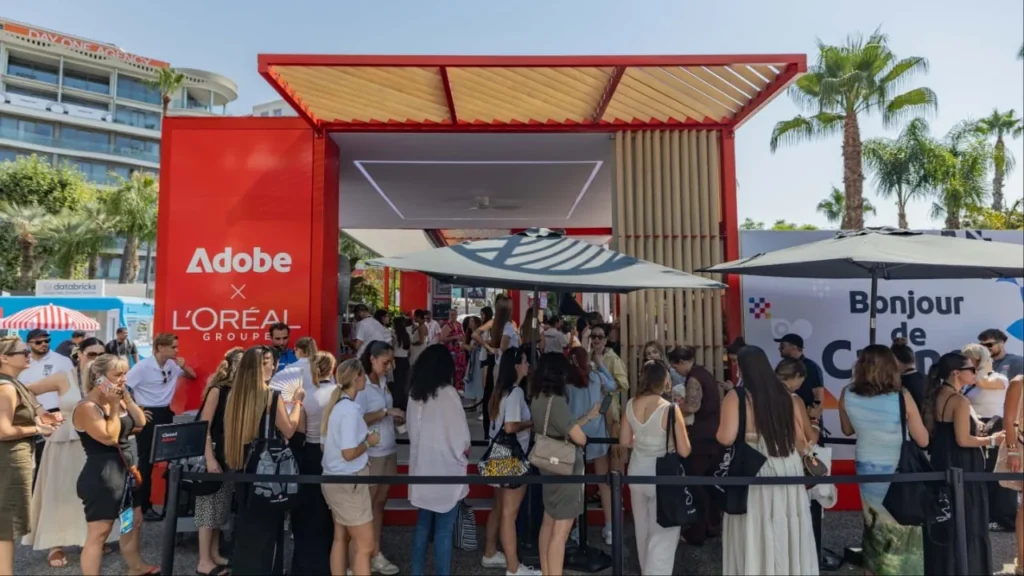
Every June, Cannes Lions gives our industry a week-long lesson in who is willing to be brave. This year, nobody went bigger than Adobe. In 2026, it came back with its largest presence yet, as the first headline sponsor of LIONS Creators, anchoring a Creator Beach that ran as a working content and podcast studio right behind the Palais.
What interested me most was where the conversation about it actually happened. Much of the talk about Adobe “taking over” Cannes came from independent voices on social: from creators and attendees posting what they saw, rather than from Adobe’s own channels. The people on that beach were a fraction of the people who met it in their feeds.
So, when the industry asks whether live events are replacing crowded social feeds, my answer is a clear no. Framing it as one or the other is exactly how brands end up wasting both.
The numbers are real. The conclusion isn’t
Read the IPA Bellwether figures quickly and you could believe audiences are swapping screens for the real world. Events led budget growth across every marketing discipline in the first quarter of 2026, with a net balance of +14.7%, and led again in the second quarter, at +11.0%. Marketers are clearly putting their money behind live.
But money moving into events doesn’t mean attention is moving out of the feed. People are still on their phones all day. What they’ve grown tired of is content with nothing behind it, the polished and interchangeable post that could have come from any brand. A live experience fixes that problem at the source, because it gives a brand something real to say.
The room and the feed aren’t competing for the same budget line. They feed each other.
Experience is marketing’s new centre of gravity
We’ve said for a while that the best events are experienced by few and seen by many. That’s the whole model in one line. A single well-built experience produces content, earned media, community, audience intelligence, brand assets and, often, the seed of the next advertising campaign.
All of that then travels outward through earned and paid social, PR, creators, CRM, sales conversations, trade press and the brand’s own website. Put the experience at the centre and every one of those channels has better material to work with.
Treat it as a standalone event instead and you get a good night, a camera roll of photos and a recap post nobody remembers by Friday.
Plan the afterlife before the doors open
This is where most brands leave value on the table, and it’s the real answer to the second question. The channels have to be designed into the experience from day one rather than bolted on afterwards. Who is filming, and for which format? Which creators are in the room, and what do they need to make something worth posting? What will the sales team send a prospect the following week? Answer those early and a three-day pop-up keeps producing for months.
Spotify’s new “Hometown” series shows how it works. In September 2026, Jorja Smith, Nemzzz and Beabadoobee each played an intimate show in the city that shaped them, in Walsall, Manchester and London, with each artist’s top listeners invited in.
Spotify is releasing the shows as concert films on the platform in the weeks that follow, so fans everywhere get the homecoming too. The feed got better because something real happened first.
Adobe’s Cannes presence ran on the same logic. Creator Beach was built as a production space, with content and podcast studios on site, which meant the social conversation was part of the plan from the start rather than a lucky by-product.
Stop choosing between the room and the feed
The brands that win over the next few years won’t pick between live and social. They’ll build the experience first and plan every channel around it, so the people in the room and the people scrolling at home are part of the same story.
Live events aren’t replacing the feed. Done properly, they’re the best thing that ever happened to it.