Michael Gietzen, Group CEO of Identity, on why the brands dismissing Eurovision as too niche are missing one of the most powerful brand experience opportunities in marketing.
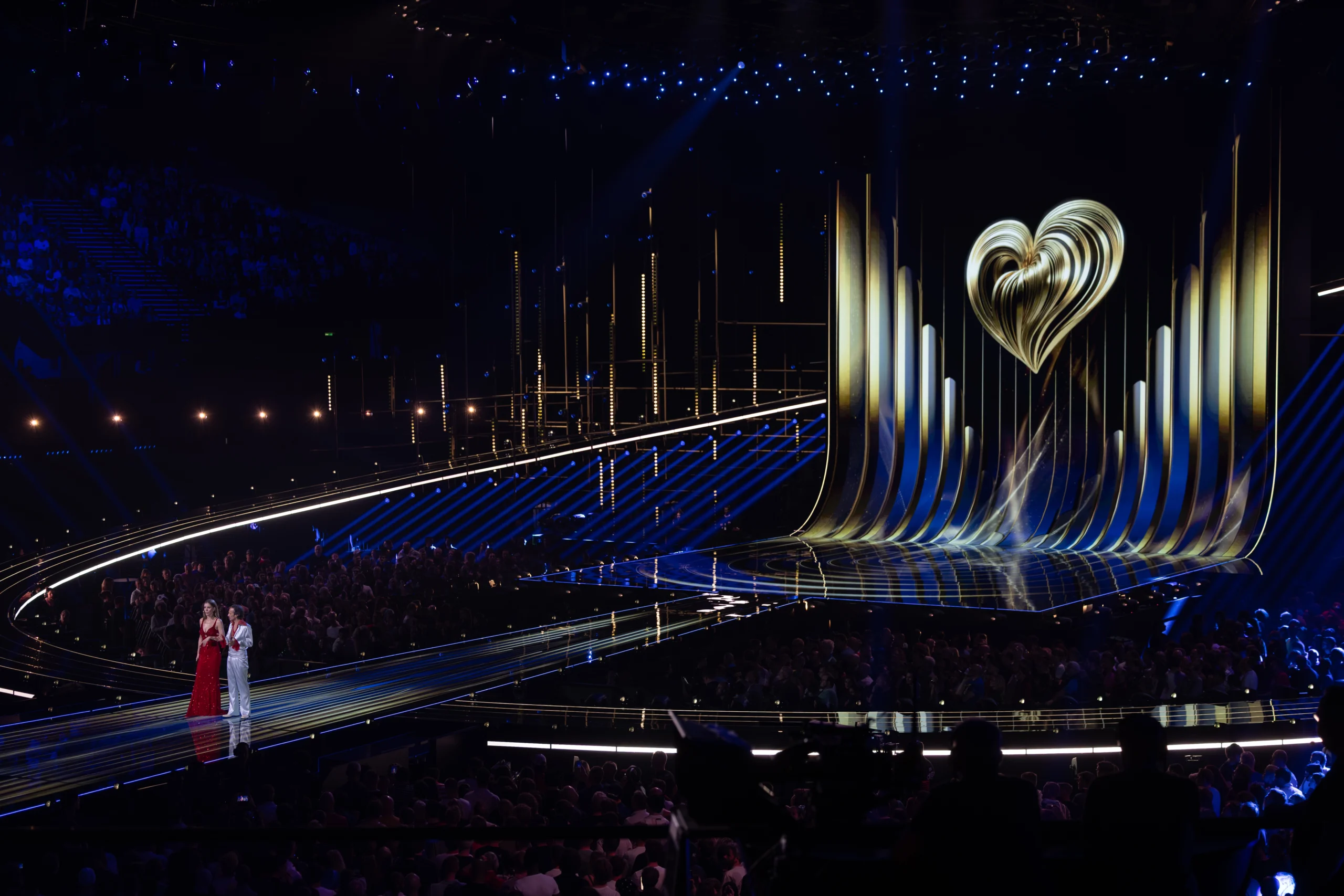
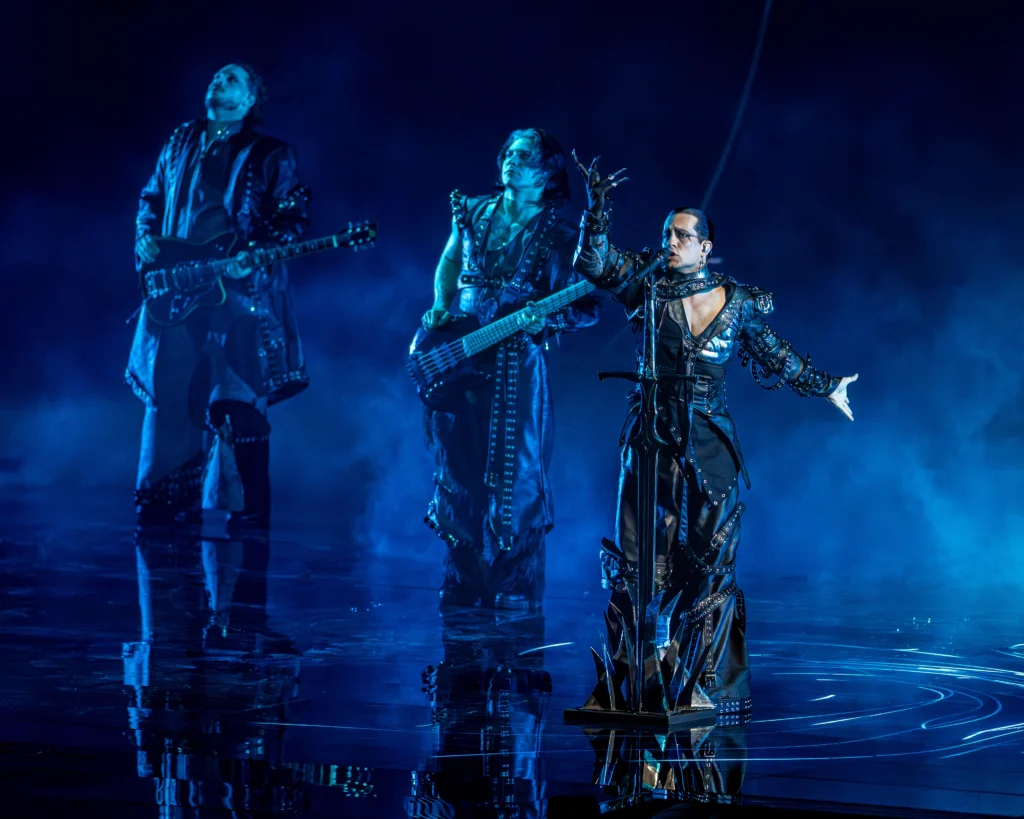
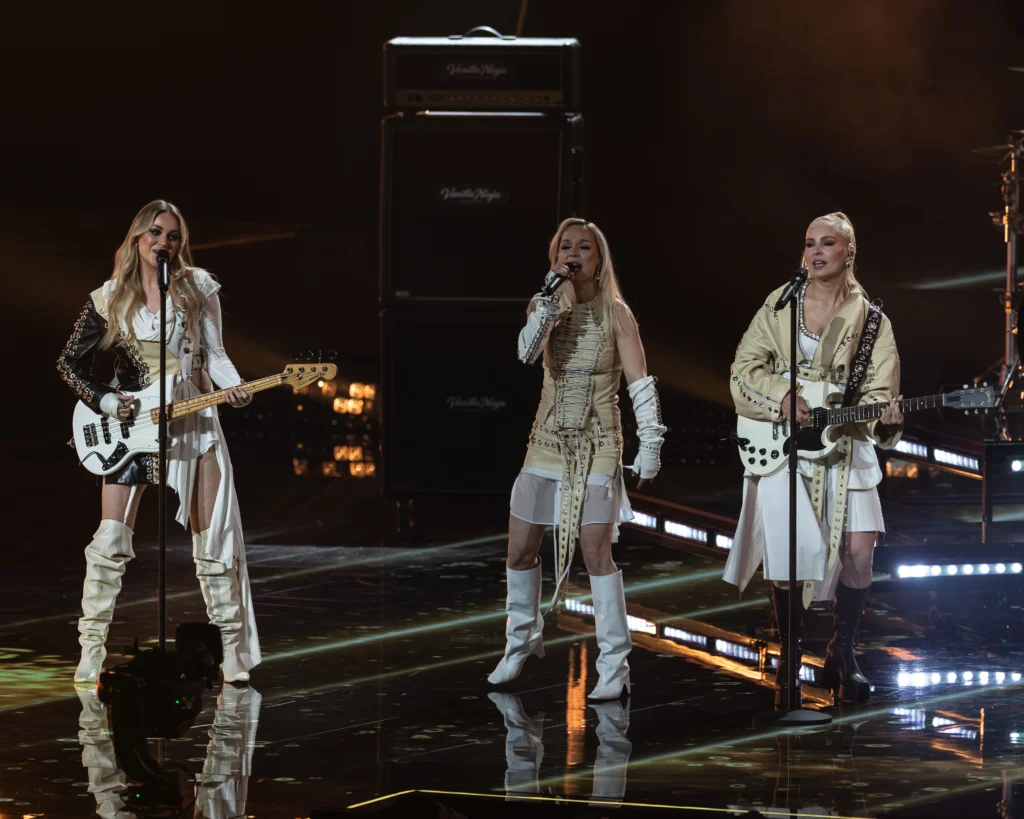
Vienna hosted the 70th Eurovision Song Contest this week and Dara won it for Bulgaria with “Bangaranga,” scoring 516 points from both jury and public vote. If you haven’t heard of her, that’s precisely the point.
This isn’t just entertainment. It’s a commercial case study hiding in plain sight, and most brand leaders are still looking the other way.
The numbers most brands aren’t looking at
Eurovision draws over 160 million TV viewers for the final. The 2025 contest in Basel attracted a 60.4 per cent viewing share among 15-to-24-year-olds, the highest on record for the event and roughly four times the channel average. For any brand competing for that demographic, there is almost no broadcast event that delivers comparable reach. And yet when you ask most brand leaders what they think of Eurovision, they smile politely and change the subject.
That instinct is expensive.
Moroccanoil is now in its sixth consecutive year as Presenting Partner, sending world-class hairstylists to Vienna to provide hair and styling for participating artists broadcast to approximately 160 million viewers worldwide, and building a Backstage Bubble fan experience around it. Visa has leveraged its partnership to highlight digital payments in host cities, sponsoring fan zones and mobile payment setups during live shows. In 2023, TikTok became an official entertainment partner, generating millions of views through exclusive behind-the-scenes content and fan challenges.
These aren’t vanity plays. These are brands that understand what 160 million emotionally activated people, gathered around the same moment, actually represents.
Compare that to the brands still spending equivalent budgets on digital placements nobody remembers by Tuesday.
The difference between showing up and activating
There is a version of sponsorship where a brand pays for its logo on a backdrop and calls it done. Then there is what the best brands at Eurovision, Coachella, and the Super Bowl are actually doing: building something people choose to walk into.
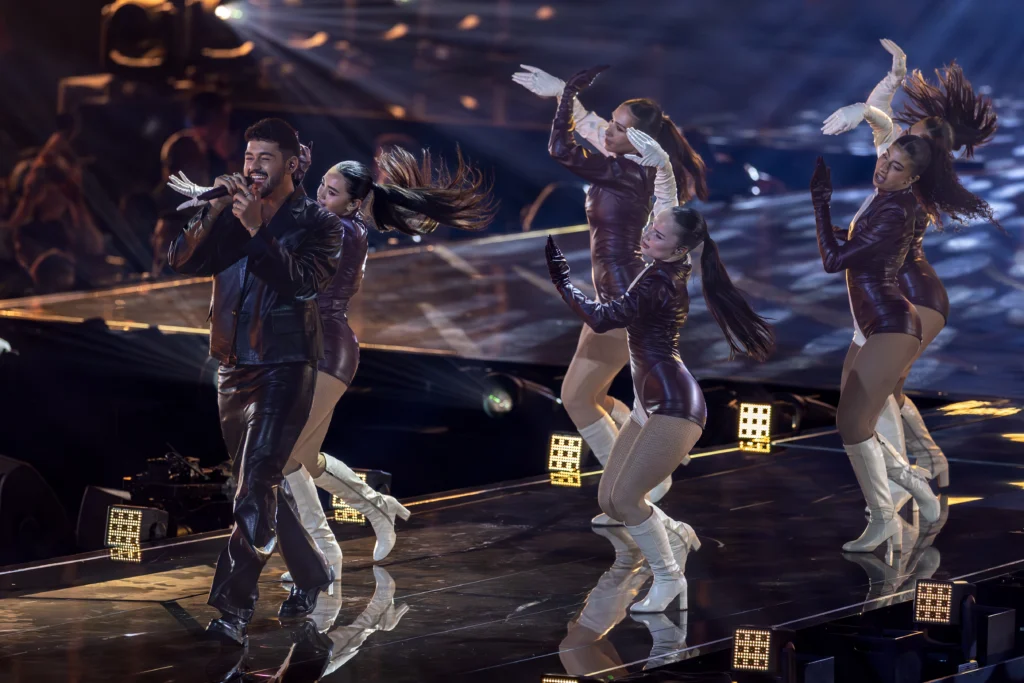
Moroccanoil does not simply put its name on the contest. It places its stylists backstage with every competing artist, creates a fan-facing Backstage Bubble experience, and launches a limited-edition product tied to the contest. The brand is physically present in the moments that matter. That is not a media buy. That is experience design.
The data explains why brands keep investing in it. 77 per cent of attendees trusted a brand more after an interaction at an event, and attendees who recalled a brand partner showed 40 per cent stronger trust associations. Event engagement drives purchase consideration to 62 per cent, 34 per cent higher than among non-engagers. Research from Harvard Business Review shows that multisensory engagement, the kind a well-built activation creates, increases brand recall by up to ten times compared to visual-only communication.
A passive impression fades. An experience you participate in, even briefly, encodes differently. Engaging more senses strengthens emotional response and recall, helping audiences feel rather than just observe a brand story, and that emotional engagement leads to longer dwell time and higher brand loyalty. That is the logic behind every great activation, whether it is a styling booth backstage at Eurovision or a fan zone in a host city square.
What the data on live experience actually says
The broader numbers on experiential marketing tell a consistent story. Global experiential marketing spend hit a record $128.35 billion in 2024, surpassing pre-pandemic levels for the first time, and 85 per cent of consumers are more likely to buy from a brand after attending a live marketing event, with 70 per cent becoming repeat customers after experiencing a brand. According to the IPA’s Bellwether report, spending on events rose by 23.1 per cent in the first quarter of 2024 alone.
The shift in where money is going mirrors a shift in what brand leaders now understand about attention. Research from IEG shows tent-pole event activations deliver 35 per cent higher ROI than season-long sponsorship programmes, and brands report 20 per cent lower costs per engagement at major cultural moments.
The strategic implication is clear: concentrated presence at a single defining moment outperforms being perpetually present everywhere.
What 160 million people showing up tells us
Eurovision is one of the last truly unspoilable live events. In an era built on algorithms, personalisation, and on-demand everything, it forces a vast global audience to watch the same thing at the same time with no skip button.
Cities that host it understand this too. Liverpool generated more than 280,000 pieces of global news coverage between being named host in October 2022 and the final in May 2023. EURO 2028, Radio 1’s Big Weekend, the Open Golf Championship, and the World Boxing Championships have all followed, and the city’s marketers attribute a significant share of that pipeline directly to the Eurovision effect. A city not in the world’s top 100 by population now sits in the top ten most recognised non-capital cities globally.
Brands spend billions trying to manufacture that feeling. Eurovision achieves it every year because it never forgot the one thing our industry keeps relearning: shared physical presence does something to people that no digital channel can replicate.
The events doing this best
Eurovision is not alone. The same logic applies wherever a concentrated, culturally engaged audience gathers around something they care about.
At Coachella 2026, Gap debuted as the festival’s exclusive apparel sponsor and official merch partner, anchored by 14 assets and an immersive “Hoodie House” hub. The brand delivered over one million content views, exceeding its target by 35 per cent, and a Google Trends search spike of roughly 5,000 per cent, the kind of organic lift that indicates an activation broke out of the festival bubble into broader culture. Heineken is now in its 23rd year as a Coachella partner, and multi-year anchors like American Express, Google, and Aperol represent the foundation that makes the most ambitious activations possible. Tenure is where category narratives compound.
The Super Bowl tells the same story from a different angle. A 30-second ad spot during Super Bowl LX sold for a record $10 million. Brands are increasingly investing in on-the-ground activations alongside or instead of broadcast slots, because experiential spend delivers feedback they simply cannot get from a TV spot or any digital advertisement.
The pattern across all of these events is identical. The brands building lasting equity are not buying a logo on a backdrop. They are creating something people can touch, feel, share, and remember.
What a great activation actually requires
Showing up at a major cultural moment is straightforward. Doing something meaningful with it is not.
The activations that work share a consistent set of qualities. They are built around audience intent, not brand ego. They give people something to do, not just something to look at. Passive displays create awareness. Interactive experiences create memory. When attendees participate, they invest attention, time, and emotional energy, and that investment translates directly into brand recall long after the event ends.
They are also designed to travel. 72 per cent of attendees post event-related content on social media, turning themselves into brand advocates and creating user-generated content that extends reach far beyond the physical footprint. The best activations at Eurovision, Coachella, or any major live event are engineered so the moment in the room becomes a moment on the feed, and from the feed into culture.
What most brands underestimate is the execution gap. Strategy gets you to the right event with the right brief. Getting the physical environment, the staffing, the brand story, and the logistics to all work simultaneously, at scale, in a live environment with no margin for error, is a different discipline entirely. That is where great activations separate from good ones, and where the value of an experienced partner becomes concrete rather than theoretical.
Identity has spent decades building those kinds of moments. Not decorating event spaces, but designing experiences that carry a brand’s message in a way that people retain, share, and act on. The brief changes. The discipline doesn’t.
The question worth asking
Dara won because millions of people, watching across 35 countries simultaneously, felt something at the same time. Not because the song tested well or the campaign was optimised, but because something human happened in that moment.
77 per cent of marketers are now focusing on building year-round engagement with audiences, rather than treating events as one-off activations. The smartest brands understand that a live event is not a moment; it is a platform. The spike in attention is the entry point, not the destination.
The brands building serious long-term equity right now are not asking “how do we reach the most people?” They are asking “how do we make people feel something they will still be talking about on Monday?”
That question is what we answer every day at Identity. Not for song contests, but for the brands that understand live experience is not a line item in the marketing budget. It is the sharpest tool in it.
If Eurovision just reminded you of that, we should talk.